
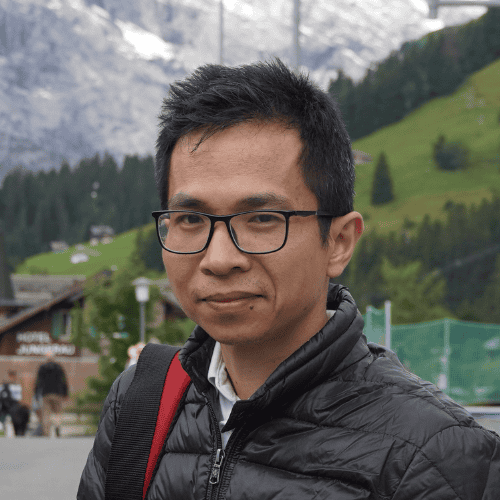
DTP alumnus Dr Bablu Chakma is a Bangladeshi Indigenous rights advocate. He now works at the regional level as the Asia focal point for the Zero Tolerance Initiative (ZTI), a global coalition focused on business and human rights, defending human rights in the global supply chain.
Born in the Chittagong Hill Tracts (CHT) of Bangladesh, Bablu describes himself as an “Indigenous scholar-activist.” After completing his Master’s degree in Human Rights at Curtin University, Australia, Bablu was awarded magna cum laude for his PhD thesis on survival and mobility strategies of Indigenous villagers in the CHT.
For Bablu, scholarship and activism are inseparable. His work with ZTI exemplifies this blend: supporting Indigenous organisations across Asia while producing critical research on how Indigenous communities adapt and resist in hostile environments.
Bablu holds high opinion of DTP.
“DTP training was very useful to me as it offered practical knowledge about how to use diplomacy in advocacy works. I learned a lot about why diplomacy is important in human rights advocacy and I have been using that knowledge since then.”
Bablu also appreciates the networking opportunity he was provided with by DTP training.
“It was a very good opportunity for me to connect with activists from the region when I participated in the DTP training in Cambodia. There I met defenders from different countries. I felt that I was not alone in my advocacy journey. I felt part of a larger cross border community. That feeling of being part of something larger than me was empowering.”
Bablu shared that growing up as an Indigenous Chakma man in the CHT was not easy. Chakma is the largest of the Indigenous populations of the CHT of Bangladesh. The long running conflict between Indigenous peoples and the Bangladesh government over self-determination in the CHT was meant to have been settled by the 1997 CHT Peace accords, but promises of peace are unfulfilled.
“I have grown up seeing Indigenous peoples routinely face military domination, violence by settlers, and the failure of the peace accord.”
Despite ongoing challenges—including non-recognition of Indigenous peoples in Bangladesh’s constitution, unresolved land disputes, and renewed cycles of conflict, Bablu insists on hope:
“Without hope, rights activism doesn’t work. I see hope in the long struggles of Indigenous peoples, in their solidarity, and in the rising awareness among the younger generation.”