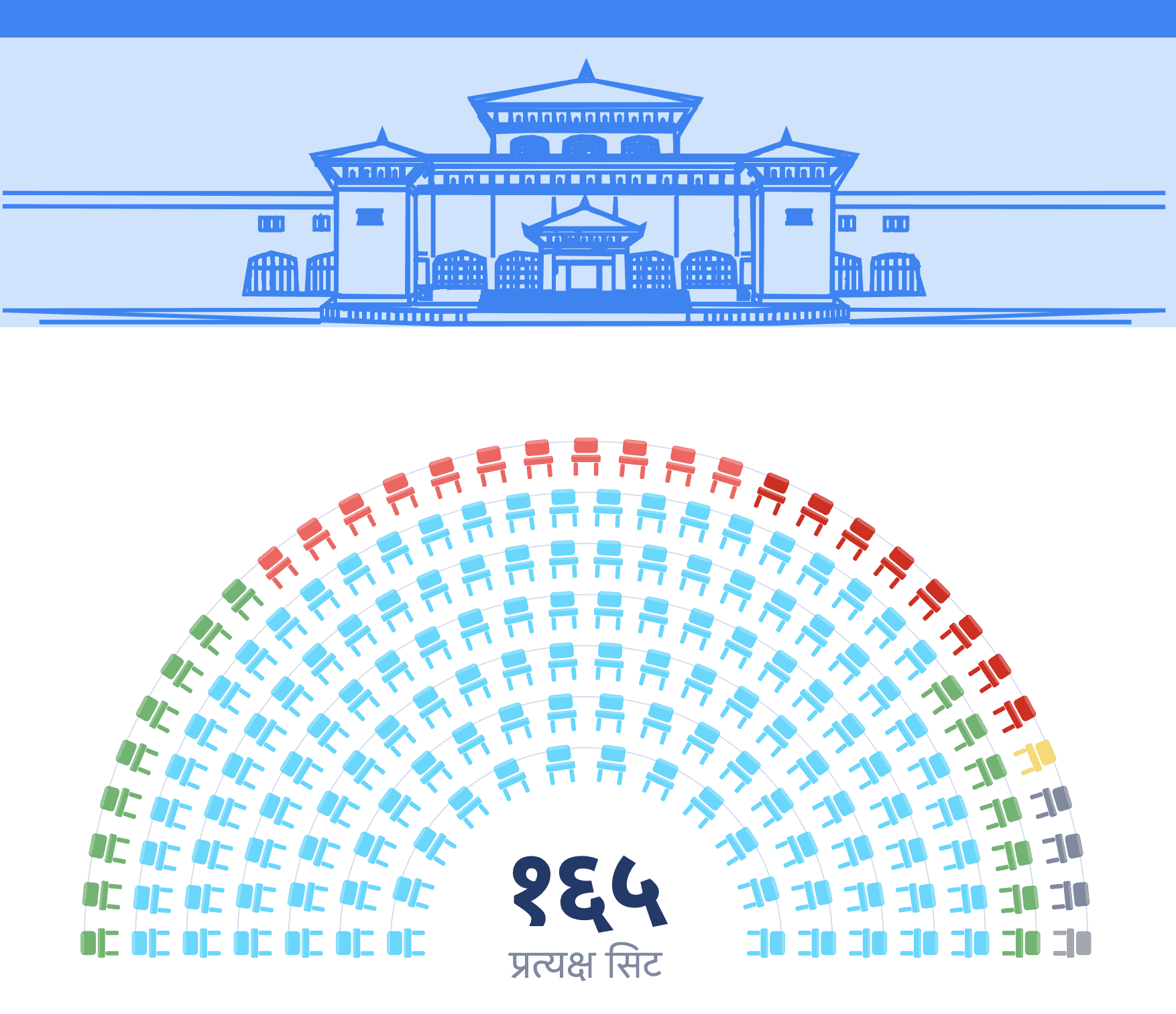
I am writing to share a brief update on the historic turning point Nepal has reached. Following the general elections (in which, I had an opportunity to serve as an observer) held on March 5, 2026, the preliminary results indicate a seismic shift away from the traditional political groups that have dominated our country for decades.
In my view, this election is the direct result of the September 2025 youth-led protests. Those movements were sparked by government overreach and corruption, and that energy has now translated into a landslide victory for younger, educated, and technically sound candidates.
- Political Awareness of Nepalese Youth: The Rastriya Swatantra Party (RSP), led by the younger generation, is currently on track to secure close to a two-thirds majority. Most of these new leaders are in their 20s, 30s, or 40s. I believe the influx of young professionals, engineers, and digital experts into Parliament represents a jump of 3–4 generations, bypassing the stagnant leadership of the past. This new leadership has campaigned on the rule of law, meritocracy, and I hope this will fix 50 years of slow development.
- The Role of the Global Nepali Diaspora and Migrant Workers: Despite a major setback where the Election Commission failed to allow out-of-country voting, mostly due to obstruction by the old political parties, our migrant workers remained the silent kingmakers. In my understanding, an estimated 5–7 million migrant workers used digital platforms to run a massive "Vote for Change" campaign. These workers successfully convinced their families in rural Nepal to leave the traditional parties and switch their support to the new, youth-led ones. I am confident this new government will be accountable and will bring the balance and progress we have needed for so long.
Prakash Khadka, 2026